







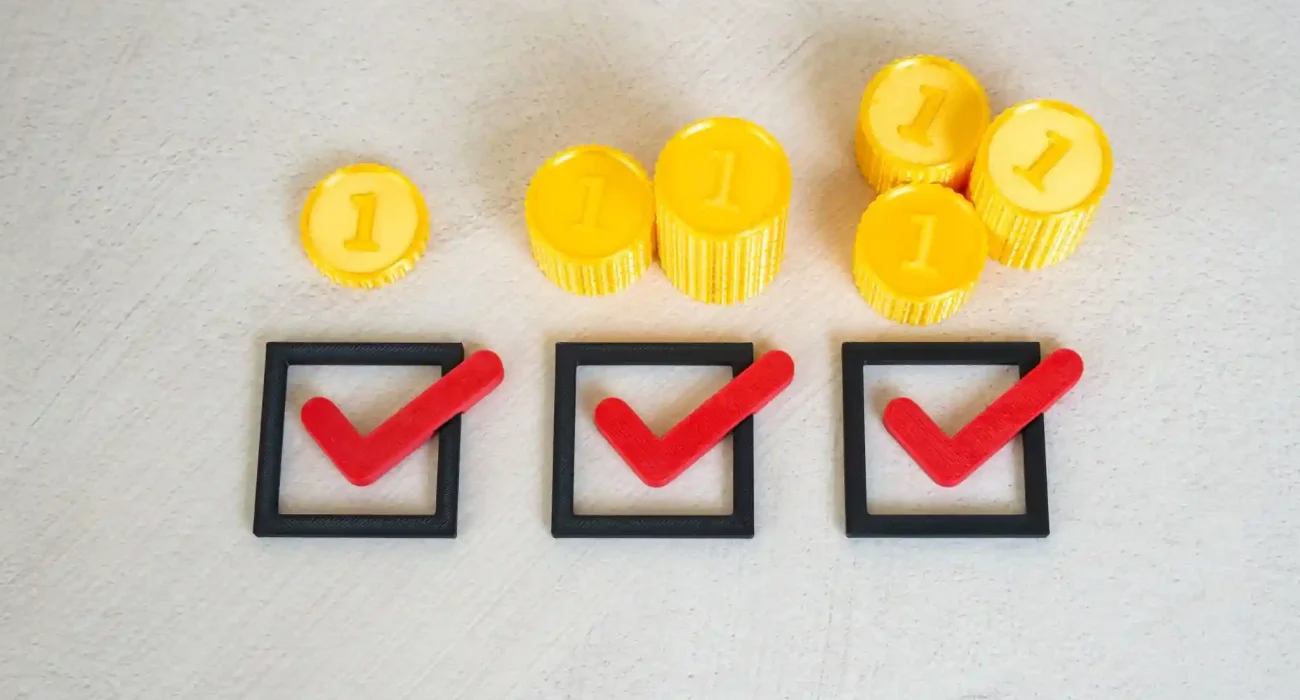
Investing is one of the most effective ways to build wealth, but not every investment is safe or suitable for long-term financial health. Whether you’re investing in stocks, real estate, a business, or any other opportunity, due diligence is the foundation of making smart decisions. It protects you from unnecessary risk, hidden liabilities, financial loss, and misleading promises. Without due diligence, even the most promising investment can turn into a costly mistake.
Due diligence is the intentional investigation and evaluation of an investment before committing your money. It involves analyzing financial data, risk factors, market conditions, legal details, credibility, and future potential. Instead of relying on emotions or assumptions, due diligence ensures your investment decisions are based on facts, logic, and clear evidence.
This guide walks you through a complete due diligence checklist designed to help you evaluate investments safely and confidently. Whether you’re a new investor or someone with experience, this checklist helps you avoid mistakes and make informed choices.
Why Due Diligence Matters for Safe Investing
Every investment carries some level of risk. But due diligence helps you understand the level of risk, whether the risk is worth taking, and how to manage or minimize it.
Due diligence helps you:
-
Verify financial stability
-
Identify red flags early
-
Understand the investment’s true value
-
Assess potential risks
-
Confirm legal compliance
-
Compare alternatives
-
Protect your capital
-
Evaluate long-term sustainability
Investors who perform thorough due diligence consistently make better decisions and avoid scams, overvalued deals, and unstable opportunities.
The Complete Due Diligence Checklist for Safe Investments
Below is a fully expanded, step-by-step checklist covering financial, operational, market, and legal factors. Use it as a guide whenever evaluating a new investment opportunity.
1. Understand the Investment Type and Structure
Before diving into technical details, you must clearly understand what kind of investment you are analyzing.
Questions to ask:
-
What type of investment is this?
-
How does it generate returns?
-
What does the structure look like?
-
What strategies drive profit?
-
Is it short-term, long-term, or speculative?
Clarity in the beginning prevents confusion later.
2. Evaluate the Financial Health
Financial due diligence helps you determine whether the investment is backed by solid numbers rather than hype or optimism.
Review financial factors such as:
-
Revenue and profit trends
-
Historical income statements
-
Debt levels
-
Cash flow strength
-
Operating expenses
-
Growth patterns
-
Financial ratios
-
Auditor reports
If you’re evaluating a business or property, dig deeply into the numbers. Strong financials increase investment safety.
3. Assess Return on Investment (ROI) and Profit Potential
Every investment’s value depends on its ability to generate returns.
Look at:
-
Expected ROI
-
Best-case scenario
-
Worst-case scenario
-
Time required to recover investment
-
Past performance data
-
Industry averages for ROI
An investment may look appealing, but if ROI is too slow or unrealistic, it’s a red flag.
4. Review Market Conditions
Market conditions influence investment performance. This includes:
-
Supply and demand
-
Economic trends
-
Interest rates
-
Inflation
-
Local or global market shifts
-
Industry competition
-
Market saturation
An investment in a declining market or overcrowded industry may struggle to produce positive returns.
5. Evaluate Risk Exposure
Risk is part of investing, but unmanaged risk is dangerous.
Key risk areas include:
-
Market volatility
-
Legal liabilities
-
Debt exposure
-
Regulatory changes
-
Operational risks
-
Environmental risks
-
Financial instability
High-risk investments aren’t always bad, they just need to match your risk tolerance and financial goals.
6. Investigate the Investment Sponsor or Management Team
The people behind the investment matter just as much as the investment itself.
Evaluate the team’s:
-
Background and qualifications
-
Track record
-
Industry experience
-
Transparency
-
Communication style
-
Past project performance
-
Reputation
-
Reviews or complaints
A trustworthy and experienced team significantly increases investment safety.
7. Analyze the Business Model or Income Strategy
Every investment should have a clear, logical, and sustainable way of generating income.
Ask:
-
Is the income model realistic?
-
Are there multiple revenue streams?
-
Does it depend on unreliable variables?
-
How long until the investment becomes profitable?
If something seems unclear or overly complicated, request clarification before moving forward.
8. Verify Legal Compliance
Legal due diligence protects you from lawsuits, penalties, and invalid agreements.
Legal areas to review:
-
Ownership documents
-
Licenses and certifications
-
Regulatory compliance
-
Zoning laws (for real estate)
-
Environmental requirements
-
Liability risks
-
Intellectual property rights
-
Existing contracts
Always ensure the investment follows all legal rules and regulations.
9. Conduct Asset Verification
If your investment includes assets, confirm they are real, properly valued, and accurately represented.
Examples include:
-
Property inspections
-
Equipment condition reports
-
Title documents
-
Inventory reviews
-
Appraisals
-
Ownership verification
Asset misrepresentation is one of the most common forms of investment fraud.
10. Understand Exit Strategies
Every safe investment needs a clear, practical exit strategy.
Ask:
-
How easy is it to sell the investment?
-
Are there restrictions or penalties?
-
What is the liquidity level?
-
Can you exit early if necessary?
-
What is the best time frame for selling?
Investments without exit options expose you to unnecessary risk.
11. Review Tax Implications
Taxes significantly impact profit. Understanding tax obligations early prevents unwanted surprises later.
Factors to review:
-
Tax rates
-
Capital gains impact
-
Depreciation benefits
-
Deductible expenses
-
Tax advantages
-
Filing requirements
Consulting a tax expert can strengthen your due diligence.
12. Evaluate Operational Performance (If Applicable)
This applies primarily to business investments, franchises, or real estate with operational components.
Review:
-
Efficiency of current operations
-
Employee performance
-
Management systems
-
Customer satisfaction
-
Supply chain stability
Weak operations can damage long-term returns.
13. Review Competition
Competition determines whether the investment can stand out or get overshadowed.
Review:
-
Competitor performance
-
Market share
-
Pricing comparisons
-
Strengths and weaknesses of competitors
-
Barriers to entry
High competition with low differentiation is a risk.
14. Look for Red Flags
Red flags signal danger and should not be ignored.
Common warning signs:
-
Vague or missing documentation
-
Pressure to invest quickly
-
No clear profit strategy
-
Poor communication
-
Unwillingness to answer questions
-
Lack of transparency
-
Unrealistic promises
Red flags often indicate risks hidden beneath the surface.
15. Compare Multiple Investment Opportunities
One of the smartest things investors can do is compare.
Ask:
-
Does this investment perform better than alternatives?
-
Is the risk-return ratio reasonable?
-
Are there safer or more profitable options?
Comparison gives you a clearer perspective.
16. Consult Professionals if Needed
Sometimes due diligence requires expert assistance.
Professionals who can help include:
-
Financial advisors
-
Tax experts
-
Lawyers
-
Property inspectors
-
Industry consultants
-
Appraisers
Their guidance adds additional layers of safety.
Frequently Asked Questions
1. How long should due diligence take for an investment?
The due diligence timeline depends on the investment type. For simple investments, it may take a few days. For real estate or business acquisitions, it may take several weeks. The key is not to rush. Thorough review helps you identify risks, verify information, and ensure the investment aligns with your financial goals.
2. What red flags should I watch for during due diligence?
Look for missing documents, lack of transparency, pressure to invest quickly, inconsistent financial data, unclear revenue models, negative reviews, or legal issues. These red flags often indicate hidden risks. If something feels off or information is hard to access, investigate further before committing money.
3. Do beginners really need a due diligence checklist?
Absolutely. Beginners are more vulnerable to mistakes, emotional decisions, and misleading opportunities. A due diligence checklist gives structure, guidance, and clarity. It ensures you evaluate all important areas before investing. It’s one of the most effective tools beginners can use to invest safely.
Final Thoughts
Due diligence is one of the most important practices for safe and successful investing. It helps you make informed, confident decisions by analyzing financial performance, legal stability, risk exposure, and long-term potential. With a clear checklist, you can protect your money, identify strong opportunities, and avoid hidden threats that could lead to financial loss.
When you invest with intention and research, your portfolio becomes stronger, safer, and more aligned with your goals. Whether you’re evaluating real estate, stocks, or private opportunities, due diligence is your foundation for long-term financial success. Thoughtful preparation today leads to smarter investments and greater wealth-building potential tomorrow.