






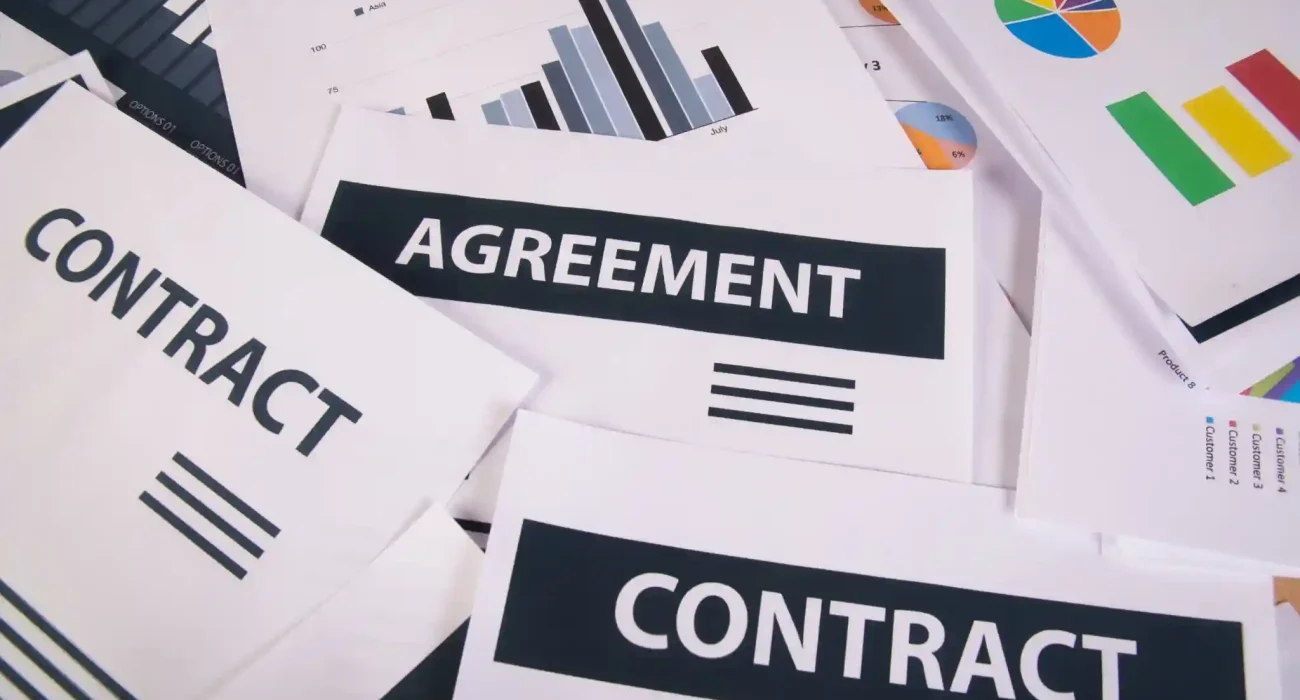
Contracts are the foundation of every business, governing relationships, outlining expectations, protecting assets, and defining obligations. Whether it involves clients, vendors, partners, employees, or service providers, contracts shape daily operations. But managing these documents manually can be slow, inefficient, and error-prone. As businesses grow, the number of contracts increases, and handling them without structure leads to confusion, delays, and costly risks.
This is why contract lifecycle management (CLM) has become essential. CLM provides a structured, automated approach to managing contracts from creation to execution and renewal. It ensures that every stage runs smoothly, every party meets deadlines, and every contract remains accessible and organized. When businesses master CLM, they streamline workflows, improve collaboration, reduce legal issues, and create a more efficient, system-driven environment.
This in-depth guide explains how contract lifecycle management works, why it matters, and how mastering it can transform your workflows from scattered and stressful to smooth and predictable.
What Is Contract Lifecycle Management?
Contract lifecycle management is the process of managing contracts throughout their entire lifespan, including creation, negotiation, approval, execution, storage, monitoring, and renewal or termination. CLM ensures contracts move through these stages systematically and without delays.
The CLM process usually includes:
-
Drafting
-
Reviewing
-
Negotiating
-
Approving
-
Executing
-
Storing
-
Tracking compliance
-
Renewing or closing
A well-designed CLM system improves visibility, enhances accuracy, and makes sure every contract is handled consistently.
Why CLM Matters for Modern Business Workflows
In today’s business environment, speed, accuracy, and compliance are critical. Contracts affect:
-
Revenue
-
Legal protection
-
Operations
-
Vendor relationships
-
Customer satisfaction
-
Financial performance
-
Risk management
Without a structured system, businesses struggle with:
-
Lost or misplaced contracts
-
Missed renewal deadlines
-
Slow approvals
-
Version confusion
-
Legal vulnerabilities
-
Manual errors
-
Limited visibility into contract status
CLM solves these issues by transforming the entire contract process into an organized, trackable workflow.
Stages of the Contract Lifecycle and How They Improve Workflows
Understanding each stage helps you see where bottlenecks occur and how CLM streamlines each step.
1. Contract Creation
This is the initial stage where the contract is drafted. In manual workflows, creation can be slow and inconsistent. CLM automates and standardizes the process.
CLM improvements include:
-
Contract templates
-
Clause libraries
-
Pre-approved language
-
Automatic formatting
-
Automated data entry
These tools make drafting faster, reduce errors, and ensure compliance with organizational policies.
2. Contract Review
After creation, the contract must be reviewed, often by multiple departments such as legal, finance, and compliance.
Without CLM, this step often becomes slow because documents are emailed back and forth, and track changes get messy.
CLM enhances review by:
-
Allowing real-time collaboration
-
Tracking document versions automatically
-
Highlighting areas requiring approvals
-
Keeping comments organized
This reduces confusion and shortens review cycles.
3. Negotiation
Negotiation is often one of the longest stages of the contract lifecycle. Multiple parties discuss terms, conditions, pricing, deliverables, and responsibilities.
CLM improves negotiation by:
-
Providing negotiation tools
-
Maintaining version history
-
Recording all changes and comments
-
Keeping both parties aligned
-
Allowing shared platforms instead of scattered email threads
Clear negotiation workflows help close deals faster.
4. Approval
Approvals ensure that contracts follow company rules and legal requirements. Without CLM, approval is often delayed because decision-makers don’t know when they need to review a contract.
CLM speeds up approvals by:
-
Setting automated approval routes
-
Sending notifications and reminders
-
Establishing approval deadlines
-
Tracking each approval stage
This keeps the workflow moving without unnecessary delays.
5. Execution
Once approved, the contract must be signed. Traditional signing requires printing, scanning, or in-person meetings, all of which slow down execution.
CLM improves execution through:
-
E-signature tools
-
Digital authentication
-
Automatic date stamping
-
Secure document storage
Execution becomes instant, convenient, and legally compliant.
6. Storage and Organization
After signing, contracts must be stored securely and remain easily accessible. Manual filing systems make retrieval difficult and create high risk of misplacing documents.
CLM enhances storage by:
-
Providing secure cloud-based repositories
-
Allowing searchable tags and filters
-
Organizing contracts by category, vendor, or department
-
Offering user access controls
A centralized repository reduces confusion, saves time, and improves visibility.
7. Compliance and Monitoring
Contracts contain obligations, deadlines, renewals, performance requirements, and financial terms. Without monitoring, businesses miss key responsibilities.
CLM improves monitoring by:
-
Sending renewal alerts
-
Tracking contract obligations
-
Monitoring performance metrics
-
Highlighting upcoming deadlines
-
Automatically generating compliance reports
This prevents costly mistakes, penalties, and lost opportunities.
8. Renewal or Termination
At the end of a contract’s cycle, businesses must decide whether to renew, renegotiate, or terminate.
CLM ensures this decision is made proactively by:
-
Sending automated renewal reminders
-
Providing contract performance summaries
-
Highlighting negotiation opportunities
-
Organizing contract history for easy evaluation
Automation eliminates last-minute decisions and supports smarter renewals.
How CLM Streams Workflows Across the Entire Organization
Contract lifecycle management impacts more than legal teams. It benefits every department connected to business operations.
1. Sales Workflow Improvements
Sales teams rely heavily on contracts to close deals. CLM helps them:
-
Generate contracts instantly
-
Remove approval delays
-
Track contract status
-
Shorten sales cycles
-
Avoid lost deals
With faster contract turnaround, sales productivity improves significantly.
2. Legal Department Workflow Improvements
Legal teams often face overwhelming document workloads. CLM reduces repetitive tasks and increases compliance.
Benefits include:
-
Pre-approved templates
-
Clause libraries
-
Automated risk checks
-
Version control
-
Easier review and approval
This allows legal departments to focus on higher-value activities.
3. Finance Department Workflow Improvements
Contracts directly impact financial forecasting, budgets, and cash flow. CLM helps finance teams:
-
Track payment terms
-
Monitor obligations
-
Reduce financial risks
-
Improve forecasting accuracy
When contracts are clear and accessible, finances become easier to manage.
4. Procurement Workflow Improvements
Procurement depends heavily on vendor contracts. CLM supports procurement teams by:
-
Standardizing vendor agreements
-
Tracking vendor performance
-
Ensuring compliance
-
Avoiding costly renewals
Improved procurement workflows reduce expenses and strengthen vendor relationships.
5. HR Workflow Improvements
HR manages employee contracts, agreements, and onboarding documents. CLM helps HR:
-
Automate employment agreements
-
Track contract renewals
-
Manage contractor paperwork
-
Maintain compliance with labor laws
This keeps HR operations smooth and consistent.
Common Problems Solved by Contract Lifecycle Management
Mastering CLM eliminates many recurring business issues.
CLM solves:
-
Missed deadlines
-
Lost documents
-
Slow approvals
-
Inconsistent contract language
-
Legal exposure
-
Miscommunication
-
Repetitive manual tasks
-
Lengthy negotiation cycles
These improvements strengthen operations and reduce unnecessary risks.
Benefits of Mastering Contract Lifecycle Management for Workflows
When CLM becomes part of your business workflow, the advantages are clear and measurable.
1. Faster contract cycles
Automation reduces delays at every stage.
2. High contract accuracy
Templates and clause libraries prevent costly mistakes.
3. Better compliance
Tracking tools ensure obligations are met on time.
4. Improved collaboration
Teams communicate more clearly during contract development.
5. Stronger risk management
Visibility reduces legal vulnerabilities.
6. Better workflow organization
Contracts move through predictable, structured steps.
7. Higher productivity
Employees spend less time fixing contract problems and more time on valuable work.
Mastering CLM is not only about contracts, it’s about optimizing the entire business workflow.
Frequently Asked Questions
1. How does contract lifecycle management improve business efficiency?
Contract lifecycle management improves efficiency by automating drafting, approval, and renewal processes. It reduces delays, eliminates manual errors, and centralizes information so employees can access contracts quickly. With fewer bottlenecks and clearer workflows, businesses operate faster and with greater accuracy, leading to increased productivity.
2. Should small businesses use CLM systems or are they only for large companies?
CLM systems benefit both small and large businesses. Small companies often experience disorganization or misplaced documents, and CLM creates structure early. Larger companies need CLM to manage high contract volumes. Regardless of size, any company dealing with contracts gains major workflow improvements through CLM.
3. How does CLM reduce legal and operational risks?
CLM reduces risks by enforcing consistency, using approved contract language, and tracking compliance deadlines. Automated alerts prevent missed obligations and renewals. Version control reduces confusion, and centralized storage ensures documents never get lost. These features protect businesses from legal disputes, financial loss, and operational issues.
Final Thoughts
Mastering contract lifecycle management transforms messy, slow, and unpredictable workflows into organized, efficient, and reliable systems. With automation and structure, every contract moves smoothly from creation to approval and renewal. This keeps departments aligned, eliminates unnecessary delays, and strengthens business performance.
When organizations implement effective CLM processes, they gain better visibility, stronger compliance, and greater confidence in every agreement they sign. Whether you’re growing a startup or leading a large enterprise, mastering contract lifecycle management ensures your workflows stay fast, accurate, and fully optimized for long-term success.